All Together Now: Creativity, Education and Emerging Technology
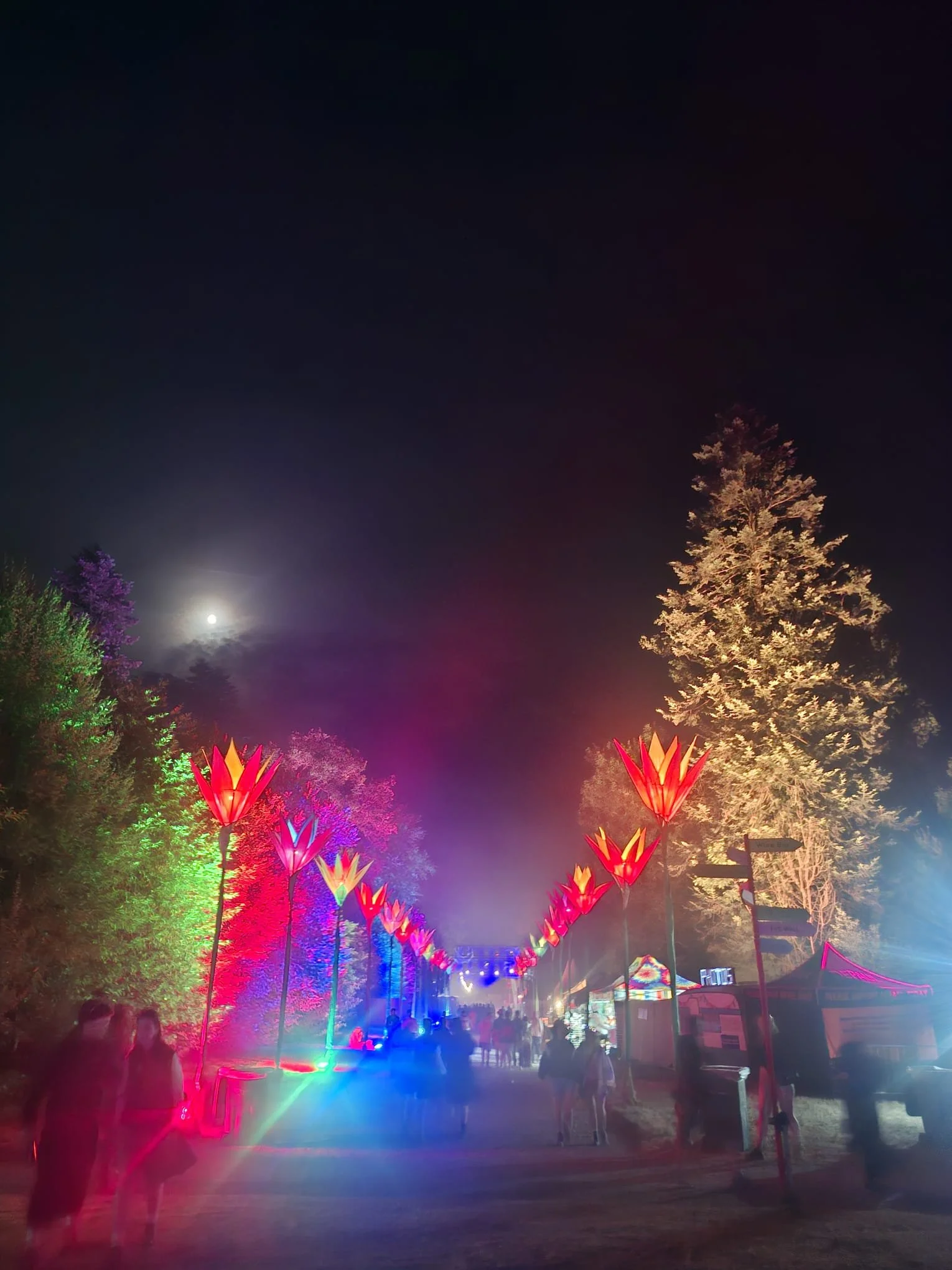
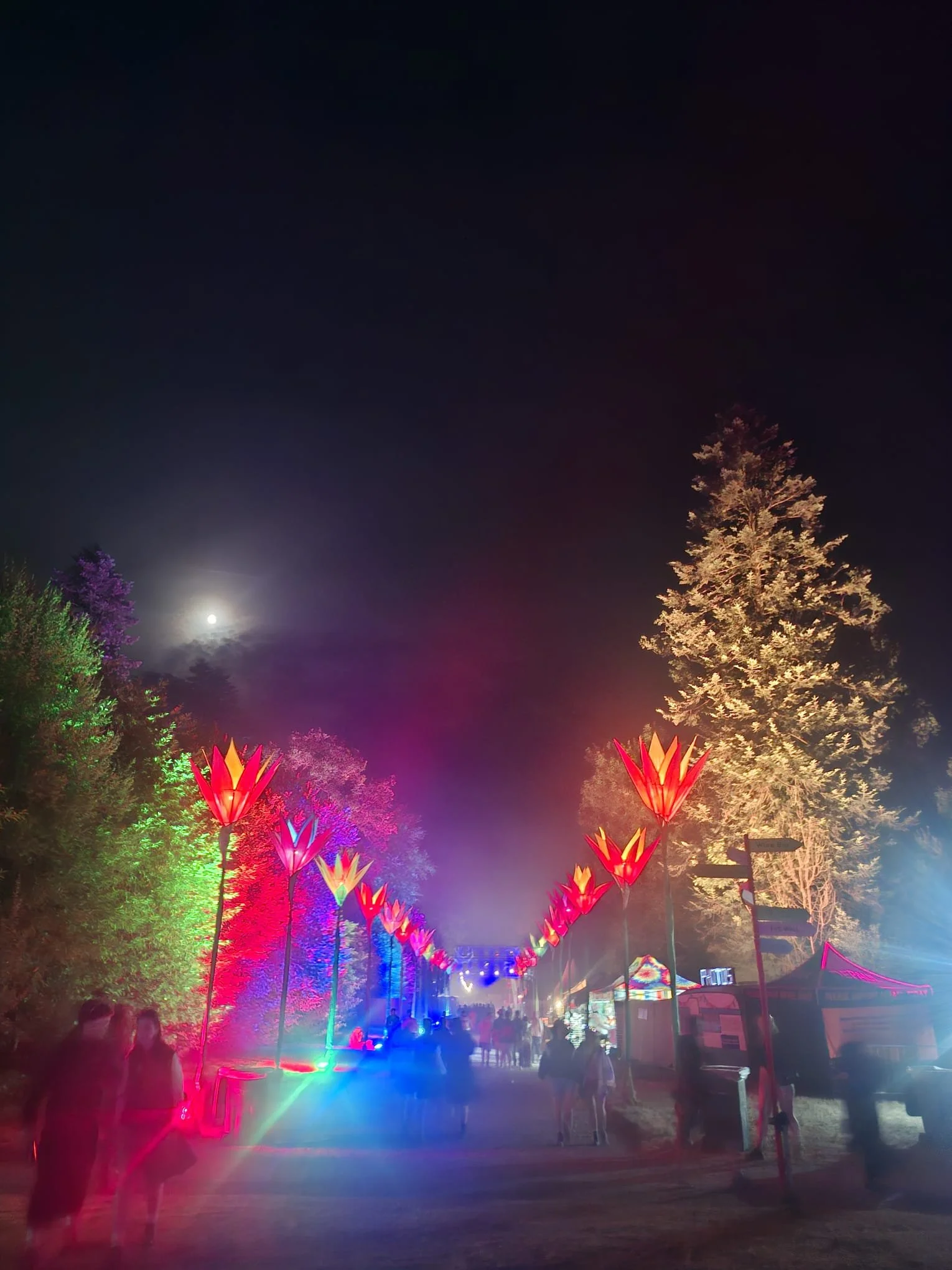
All Together Now, Waterford, Ireland 2026.
I took the photograph accompanying this article at the All Together Now festival. Looking back at it, the name felt unexpectedly connected to something I have been thinking about: how creativity can bring traditional education and emerging technology closer together.
New technologies are developing faster than many schools and youth organisations can respond. New tools arrive, unfamiliar language develops around them, and educators are often left wondering where to begin.
Creativity can provide the bridge.
A young person does not need to understand every technical detail of virtual reality, AI or game development before exploring an idea. They can begin with something familiar: a drawing, a character, a story, a place or a problem they want to solve.
A sketch can become a 3D object. A story can become a playable world. A physical artwork can be extended through augmented reality. Technology becomes another creative material—not the destination.
This does not mean leaving traditional learning behind. Drawing, writing, making, discussion and critical thinking become even more important. They give young people the foundations to use technology with purpose and develop ideas that remain genuinely their own.
This thinking sits at the heart of HoloGen’s next chapter: creating hands-on programmes that bring creativity, technology and meaningful learning together. Programmes that give young people, educators and communities the confidence not only to use emerging technology, but to help shape what comes next.
Closing the gap between education and emerging technology is not something any one teacher, school, youth organisation or technology company can solve alone. It requires educators, artists, young people, communities and technology partners to learn from one another, experiment and build new approaches together.
All together now—building creative futures.
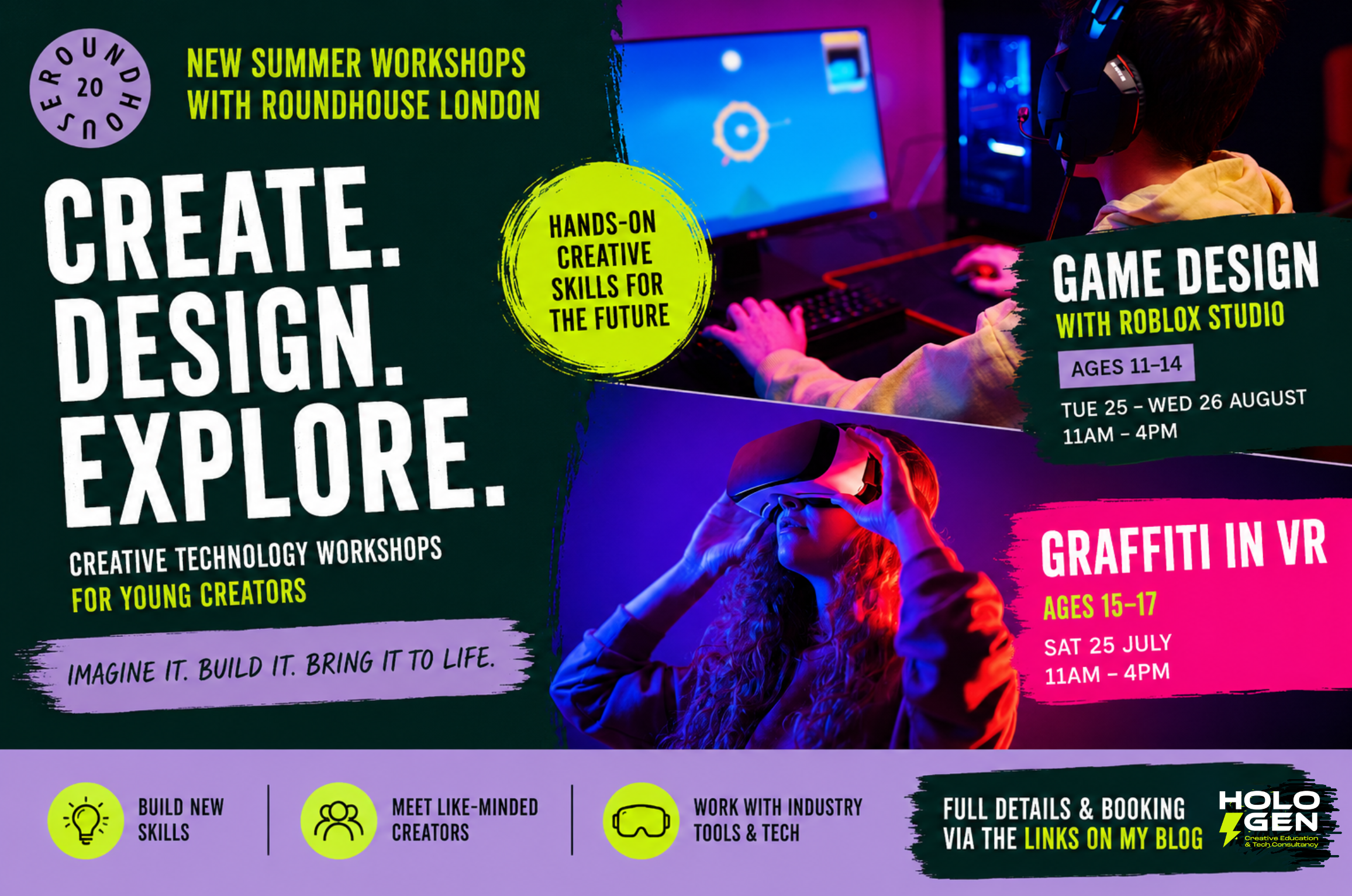
New Summer Workshops Announced with Roundhouse London
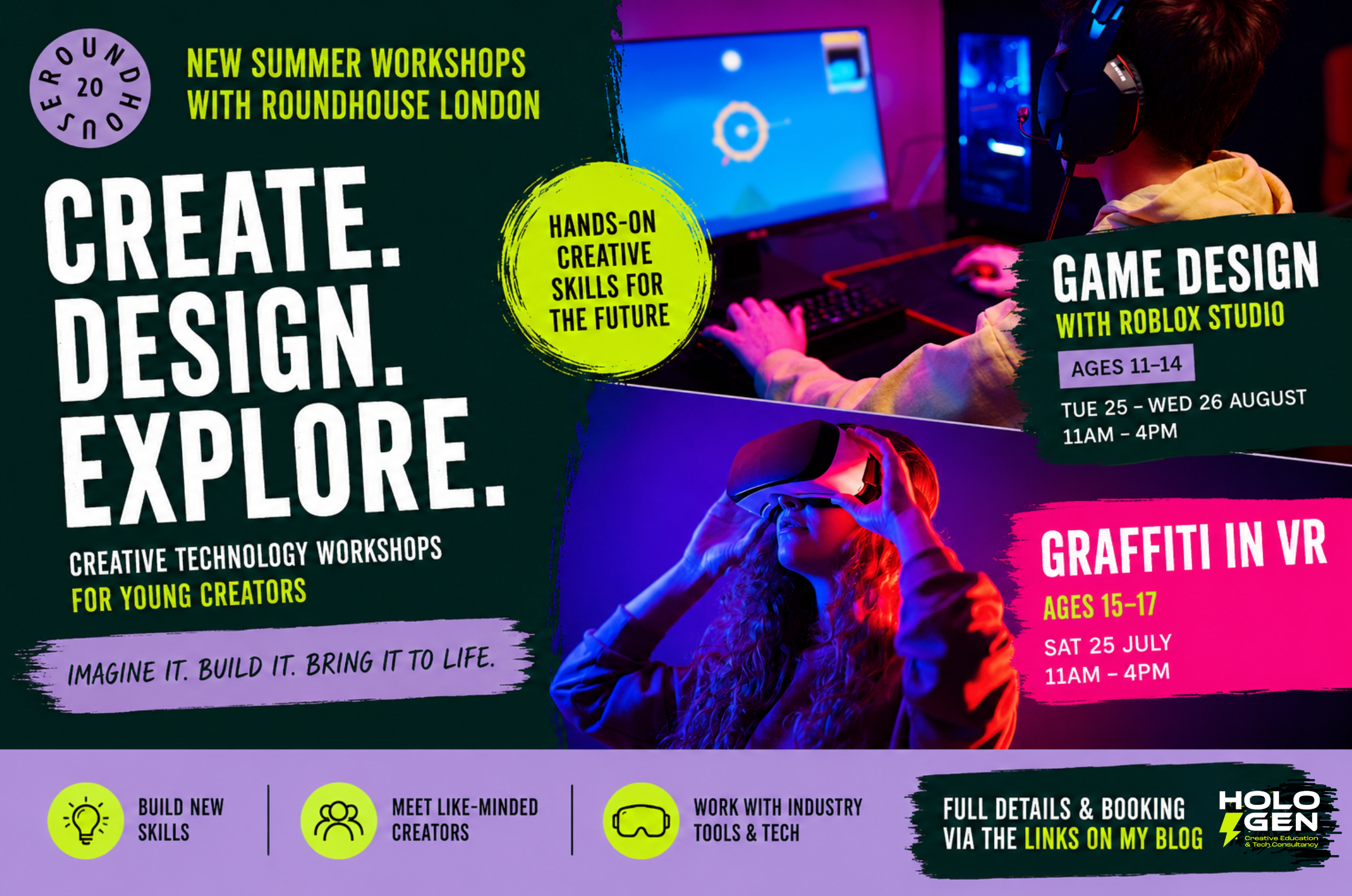
I'm delighted to be continuing my collaboration with Roundhouse, one of the UK's leading creative organisations for young people, through the delivery of two summer workshops exploring creativity, digital making and emerging technologies.
Having previously worked with Roundhouse, it's a pleasure to build on that relationship with new programmes focused on game design, digital creativity and immersive art-making.
Both workshops are designed to help young people move beyond simply consuming technology and instead become creators, designers and makers. Whether building games or creating artwork in virtual reality, the focus is on creativity, confidence, problem-solving and self-expression.
Game Design with Roblox Studio (Ages 11–14)
This two-day workshop introduces young people to the fundamentals of game design using Roblox Studio, one of the world's most popular game creation platforms.
Participants will learn how games are built, explore level design, create interactive experiences and develop their own original ideas in a supportive creative environment.
The workshop focuses on creativity, design thinking, digital confidence and problem-solving while providing an introduction to the skills behind modern game development.
Young people will gain experience in:
Game design fundamentals
World-building and level design
Creative problem-solving
Digital storytelling
Working with game development tools
Turning ideas into playable experiences
Graffiti in VR (Ages 15–17)
This one-day workshop invites young artists to step inside their artwork and create immersive 3D murals using Virtual Reality.
Using creative tools such as Open Brush and Kingspray, participants will explore how digital technology can expand artistic practice beyond traditional sketchbooks and canvases.
Alongside practical making, the workshop will explore creativity, street art culture, scale, colour and visual storytelling in immersive spaces.
Young people will gain experience in:
Creating artwork in 3D space
Virtual Reality creative tools
Digital painting and graffiti techniques
Visual storytelling
Artistic experimentation
Developing ideas from sketchbook to immersive artwork
Why These Skills Matter
Across education, the arts and the creative industries, there is growing recognition that young people need opportunities to develop not only digital skills but also creativity, collaboration, communication and critical thinking.
Whether designing a game world or creating a virtual mural, these workshops encourage young people to experiment, solve problems and bring their own ideas to life using contemporary creative tools.
This approach reflects much of my work across Ireland, the UK, Europe and the United States, supporting young people, educators and organisations to explore the creative potential of emerging technologies including Virtual Reality, digital arts, game design and immersive learning.
Technology is changing rapidly, but creativity remains one of the most valuable skills young people can develop. These workshops aim to provide an accessible and enjoyable introduction to some of the tools and approaches shaping the future of creative practice.
Booking Information
Game Design with Roblox Studio
Ages: 11–14
Dates: Tuesday 25 – Wednesday 26 August
Time: 11am–4pm
Location: Roundhouse, London
Book here:
https://www.roundhouse.org.uk/whats-on/game-design-with-roblox-sh26/
Graffiti in VR
Ages: 15–17
Date: Saturday 25 July
Time: 11am–4pm
Location: Roundhouse, London
Book here:
https://www.roundhouse.org.uk/whats-on/graffiti-in-vr-sh26/
Places are limited and advance booking is recommended.
I look forward to meeting the next generation of artists, designers, game creators and digital makers this summer at Roundhouse.
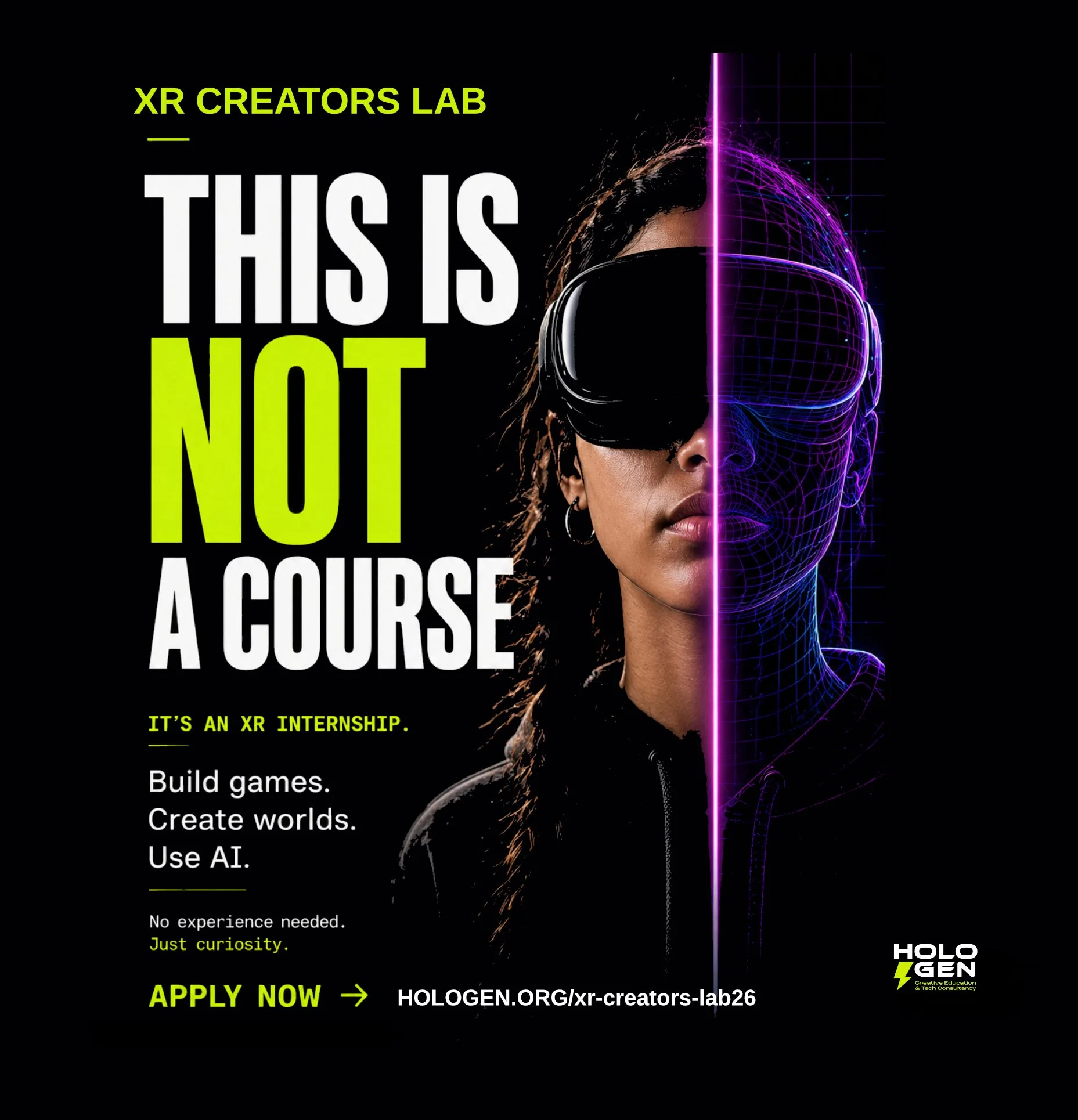
XR Creators Lab 2026 — Pilot Programme Announcement
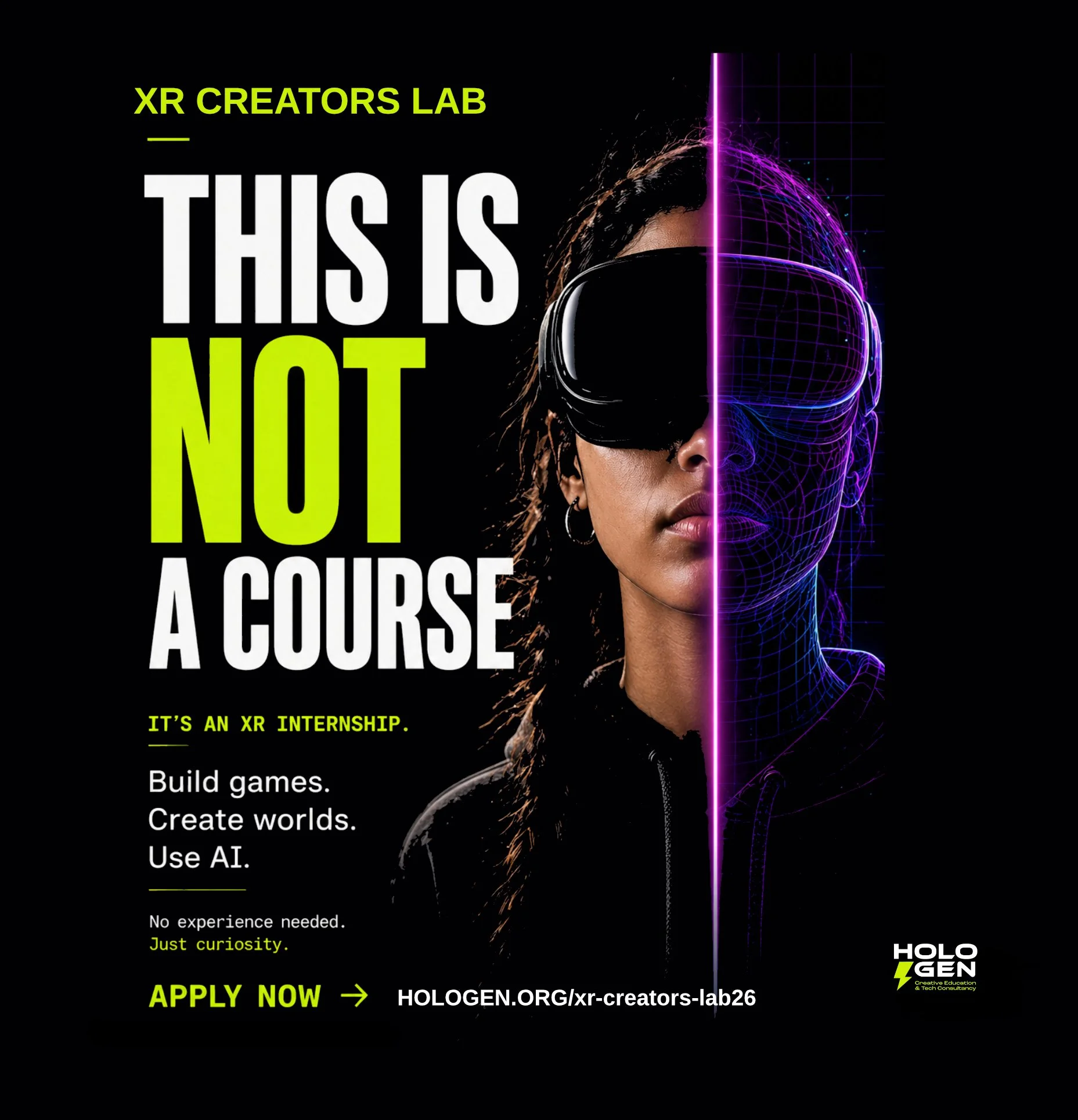
Following the success of a smaller pilot last year, XR Creators Lab returns this August as an expanded hybrid online and VR creative technology internship for young people aged 15–18. This next phase brings a wider regional focus, connecting participants and supporting organisations from across Ireland, the UK and the EU.
This pilot represents a unique step forward — not only in scale, but in approach. Alongside young participants, educators, youth workers and caregivers are actively involved in supporting engagement, creating a more grounded and supported model for exploring emerging technologies.
XR Creators Lab is designed for young people who are curious about creative digital practices and interested in exploring how technologies such as XR and AI can be used for making, collaboration and expression.
Across five days, participants take part in live online sessions, immersive VR experiences, creative workshops and collaborative activities, working together in a structured but exploratory environment. The programme supports young people to develop ideas, test concepts and build confidence using creative technologies.
This work reflects a broader shift in how digital skills are understood and developed. Increasingly, the focus is moving beyond passive consumption towards active creation, collaboration and real-world application — particularly in areas such as immersive media, AI-assisted creativity and interactive digital environments.
XR Creators Lab responds to this shift by offering a space where young people can engage directly with these emerging practices, not as observers, but as participants. The experience blends hands-on making with real-time interaction, including immersive VR meetups and opportunities to connect with professionals working in the XR space.
The pilot cohort brings together a small number of young people and organisations, creating a diverse and collaborative environment grounded in curiosity, creativity and shared learning.
XR Creators Lab is designed for beginners and emerging creators. No previous experience with XR, AI or coding is required — curiosity and willingness to explore are enough.
Participation in this pilot programme is free of charge as part of this initial development phase.
We are currently inviting expressions of interest from organisations, educators, youth workers and caregivers supporting young people aged 15–18.
To learn more and request registration details, please visit the main programme page or get in touch directly.
Places in the pilot cohort are limited and will be curated to support a focused and collaborative experience.
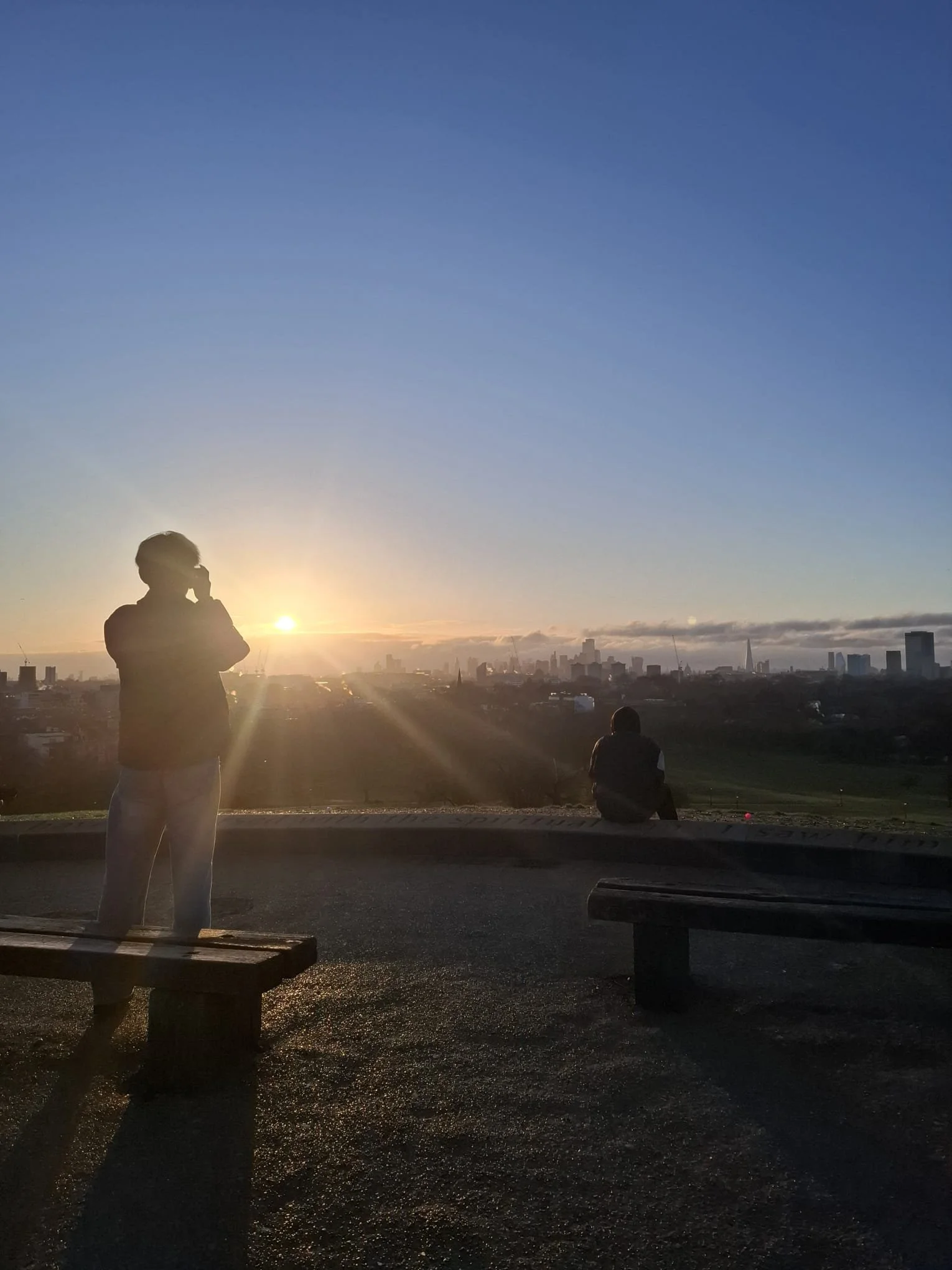
Introducing VYEF — A New Framework for Immersive, Inclusive Youth Work
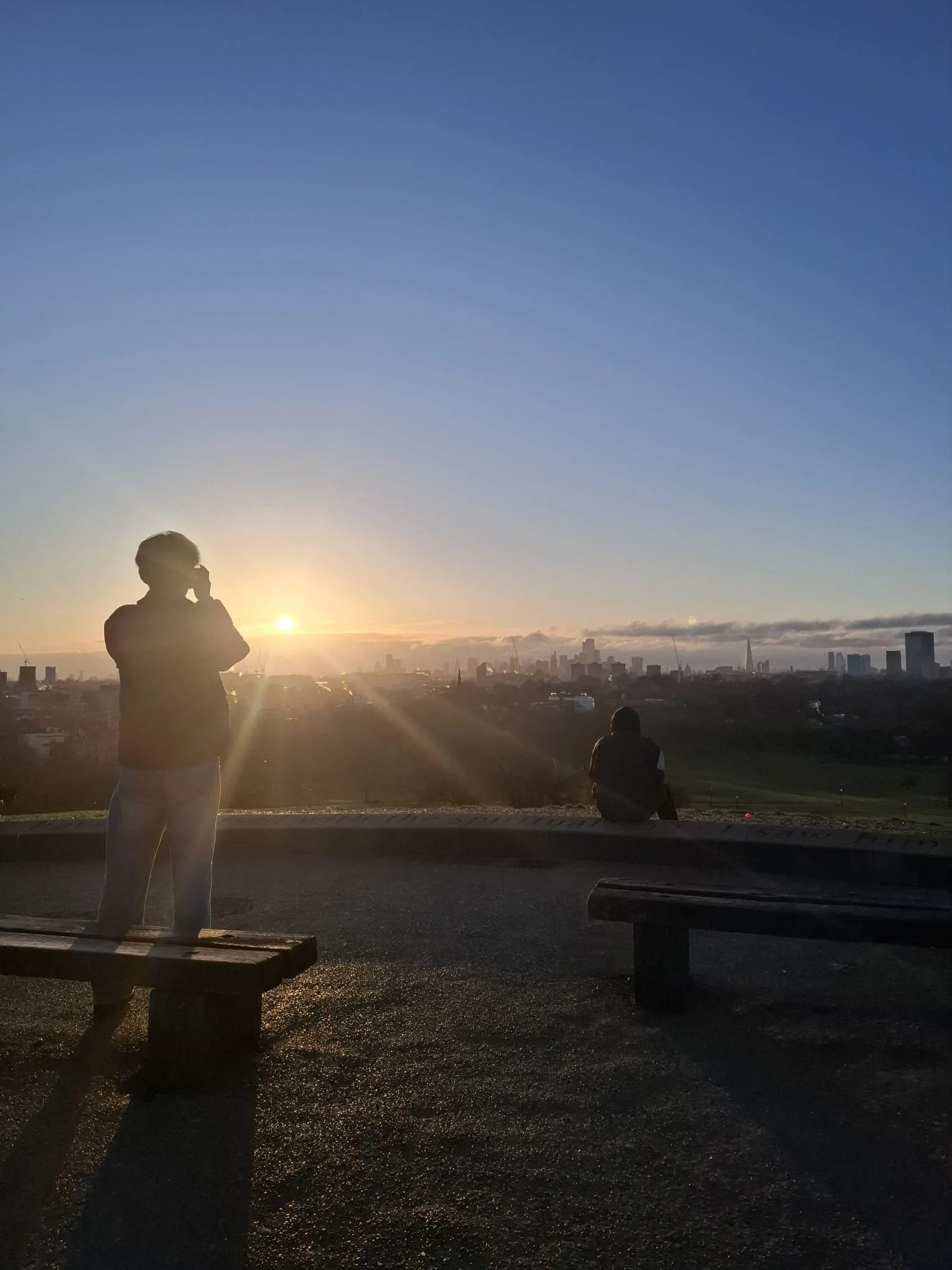
Primrose Hill, London. March 2026.
I've been exploring what VR can do for young people since 2018. But for the past six years I've been quietly building something more structured — piloting it, refining it, and delivering it across four countries. Today I want to formally introduce it.
The Virtual Youth Engagement Framework — VYEF — is a structured, values-led model for delivering meaningful youth work inside virtual and immersive environments. It was developed not in theory, but through hands-on practice with young people who face real barriers to participation.
The Problem VYEF Was Built to Solve
Youth work is built on relationships. But relationships require access — and for many young people, access is the problem.
Rural and geographic isolation. Physical disability. Social anxiety. Neurodivergence. Being a young carer. Lacking a safe, affirming local space. These aren't edge cases. They represent a significant proportion of the young people that youth services most want to reach — and most struggle to.
Traditional in-person delivery, however well-designed, has limits. Geography doesn't move. Anxiety doesn't disappear because a door is open. VYEF was developed to respond to exactly these limits.
What VYEF Actually Is
VYEF reframes virtual reality not as a tool or a gimmick, but as a facilitated social space. One that can be structured, safeguarded, and purposefully designed to support connection, creativity, and participation on equal terms.
It is a practical framework — not a product. Organisations that adopt VYEF work with HoloGen to design their own virtual environment, train their facilitators, establish safeguarding protocols, and embed best practice from the ground up. The model flexes to fit the context, the community, and the capacity of the organisation.
What It Looks Like in Practice
Since the first pilot in Ireland in 2020 — which is still running today — VYEF has been delivered across a range of contexts and communities. A regional youth service in Finland using it to bridge vast geographic distances. A UK organisation creating structured virtual spaces for young people with autism spectrum disorder. An inner-city London borough exploring how to reach young carers who have consistently missed out on traditional provision.
In each case the technology is different. The young people are different. But the outcomes are consistent — greater confidence, stronger communication skills, meaningful social connection, and pathways into further engagement.
Why Now
We are at a moment where immersive technology is becoming more accessible, more affordable, and more understood. The question is no longer whether VR can be used in youth work. The question is how to do it well, ethically, and in a way that genuinely serves young people.
VYEF exists to answer that question.
What's Next
If you're a youth organisation, educator, funder, or commissioner working with young people who are hard to reach — I'd love to talk. VYEF is not a one-size-fits-all solution, but it might be exactly the model your organisation needs.
You can get in touch directly at hello@hologen.org

Collaboration, Creativity, Curiosity: Six Reflections From Four Years Working Independently
Four years. Twelve countries. Countless collaborations. Here are six reflections that continue to shape my work across creative technology, youth engagement, and education.

Winter sun, Dublin.
Over the past four years, working independently through HoloGen has taken me further than I ever expected. HoloGen began as a small step into creative technology consultancy, but it quickly grew into a way of working that has brought me across many countries, into youth centres, universities, cultural organisations, community groups, and creative-tech hubs.
I’ve met people doing remarkable work and had the privilege of learning from them in ways that continue to shape my practice. It has taken a huge amount of effort—long days, constant adaptation, and a willingness to build everything from the ground up—but I remain deeply grateful for the opportunities and the trust people have placed in me.
After more than thirty years in non-formal education and the creative sectors, shifting into independent work gave me a new vantage point on how quickly the digital youth and creative technology landscape is evolving. Looking back, six observations stand out.
1. Collaboration is essential
Creative technology is moving fast, and no single person or organisation can keep up alone. The strongest work I have been part of brought together youth workers, educators, artists, technologists, and community partners. When people combine their strengths, the work naturally becomes more ambitious and more meaningful.
2. Youth work needs more artists — and the arts need more educators
These two worlds enrich one another. Artistic practice brings expression, experimentation, and imagination into learning environments. Educational practice grounds creative work in purpose, structure, and accessibility. When they overlap, young people benefit from programmes that feel alive, relevant, and genuinely engaging.
3. Curiosity keeps the work moving
Platforms change. Tools evolve. Young people shift faster than any of the technology we use. Staying curious—trying things out, exploring new methods, asking questions—keeps the work fresh and helps avoid falling into old patterns. The moment curiosity fades, the work slows down.
4. Independent work is demanding, but it opens space for meaningful projects
Working for yourself means holding uncertainty, managing your own momentum, and carrying a lot of responsibility. But it also gives you the freedom to build projects that reflect your values and to partner with people who share them. That balance makes the workload worthwhile.
5. Gratitude goes further than we think
The most important part of my work has been the people involved: young participants, youth workers, teachers, creative practitioners, technologists, and partners across the world. Their openness, humour, and generosity have shaped every project. Nothing meaningful happens alone.
6. Choose kindness, even when it’s not mirrored back
Working across sectors and countries means meeting a wide range of approaches. Not everyone operates with openness or generosity. Some guard their work, compete unnecessarily, or overlook collaboration. Remaining kind and steady—regardless of the tone around you—keeps your own standards intact and makes long-term relationships possible. It is a quiet strength that supports the work more than people realise.
These six points continue to guide how I approach creative technology, digital youth work, and cross-sector collaboration. Each one keeps me grounded in a field that shifts month by month.
As HoloGen moves into its next phase, my focus is on deepening the work around creative AI, spatial computing, immersive learning, and supporting organisations to build meaningful digital and XR programmes. If you’re interested in exploring a collaboration or discussing any of this work further, I’m always happy to connect.